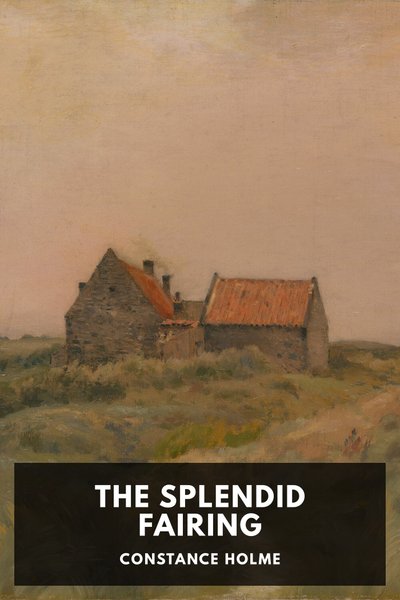
The Splendid Fairing
by Constance Holme
An elderly couple tries to deal with an unfavorable financial situation, deteriorating health, and the absence of their son while living in a tight-knit community that doesn’t hold them in high esteem.
Subjects
About This Book
In the rural English community of Blindbeck, the elderly Simon and Sarah Thornthwaite picture what the future holds for them after facing their most recent bouts of misfortune: the need to abandon the farm that allowed them a somewhat comfortable lifestyle, Sarah’s gradual loss of her sight, and troubled finances that seem impossible to manage.
In The Splendid Fairing, Constance Holme presents a character study of elderly life during the early 20th century, reflecting on the physical and emotional problems that arise with aging, the sense of loneliness and sadness caused by living away from your loved ones, the negative influence of family rivalries, and how youthful romance can lead either to life-long companions, or to grudges, resentment, and envy.
The couple’s reluctant journey to the nearby town of Witham and the rumors that start upon their arrival give the reader a glimpse into the history the Thornthwaites share with Blindbeck’s inhabitants, as well as their poor relationship with Simon’s more affluent brother Will and his wife Eliza. Both Simon and Sarah each have moments of introspection that contrast their present existence with nostalgic memories of their younger selves.
As the story develops, Simon, Sarah, and Eliza think about Geordie and Jim, their sons who left Blindbeck twenty years ago. Geordie’s upcoming return home only deepens the mystery regarding the fate of the Thornthwaite cousins and whether or not they accomplished their goals of finding fortune and a better future.
Download Formats
Public domain in the United States. Users located outside of the United States must check their local laws before using this ebook. Original content released to the public domain via the Creative Commons CC0 1.0 Universal Public Domain Dedication.